
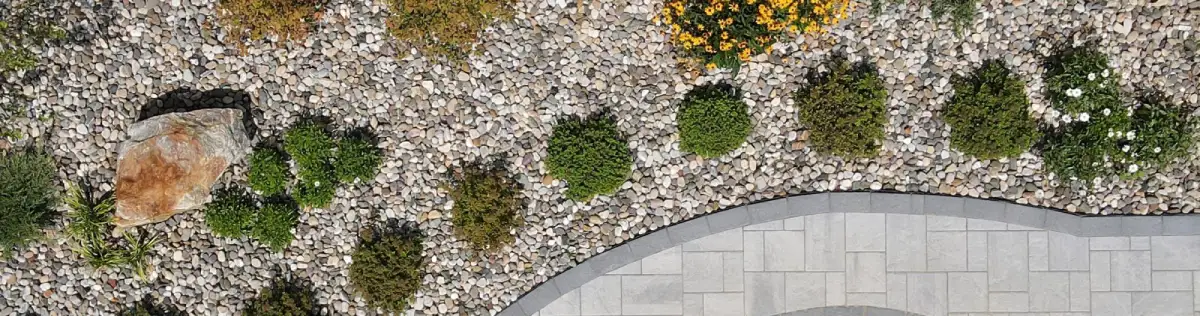
Creating a beautiful backyard doesn’t have to come at the expense of the environment. In fact, the best outdoor spaces today are designed with sustainability in mind—reducing water use, supporting local ecosystems, and lowering long-term maintenance costs.
For homeowners in Upstate New York and Saratoga County, eco-friendly landscaping is especially important due to seasonal weather changes, heavy rainfall, and freeze–thaw cycles that can impact soil health and drainage.
Whether you’re upgrading an existing yard or planning a full outdoor transformation, these eco-friendly landscaping tips will help you build a backyard that looks great and performs even better.
1. Choose Native Plants That Thrive Naturally
One of the easiest ways to build a sustainable landscape is to use native plants that are already adapted to the local climate.
Native plants require:
- Less water
- Fewer fertilizers
- Minimal maintenance
They also support pollinators like bees and butterflies, which are essential to a healthy ecosystem.
Popular native-friendly choices include:
- Coneflowers
- Black-eyed Susans
- Milkweed
- New England Aster
Explore more landscaping design ideas for inspiration.
2. Improve Drainage Naturally with Smart Grading
Eco-friendly landscaping isn’t just about plants—it’s also about how water moves through your property.
Poor drainage can lead to erosion, plant damage, and foundation issues. Instead of relying on heavy infrastructure, many homeowners benefit from natural solutions like:
- Regrading low areas
- Installing dry creek beds
- Using rain gardens
These methods slow water flow and allow it to naturally filter into the soil.
Learn more about drainage solutions that protect your home and landscape.
3. Reduce Lawn Size and Add Functional Green Space
Traditional lawns require significant water, fertilizer, and mowing. A more sustainable approach is to reduce lawn area and replace it with functional, low-maintenance features.
Consider replacing turf with:
- Native plant beds
- Stone patios
- Mulched garden areas
- Groundcover plants
This not only reduces environmental impact but also creates a more visually interesting backyard design.
See how paver patios can transform your backyard.
4. Use Permeable Hardscaping Materials
Eco-friendly hardscaping helps water return to the ground instead of running off into storm drains.
Permeable options include:
- Permeable pavers
- Gravel pathways
- Natural stone installations with spacing
These materials help reduce runoff, improve groundwater recharge, and reduce erosion—especially important in areas with heavy seasonal rainfall.
5. Install Efficient Irrigation Systems
Overwatering is one of the most common issues in residential landscaping. Modern irrigation systems can dramatically reduce water waste.
Smart irrigation options include:
- Drip irrigation systems
- Smart controllers with weather tracking
- Zone-based watering systems
These systems ensure plants receive the right amount of water without excess runoff or evaporation.
Learn more about professional landscape maintenance.
6. Compost and Reuse Organic Waste
Instead of sending yard waste to landfills, homeowners can reuse it to improve soil health.
Composting helps:
- Enrich soil naturally
- Reduce landfill waste
- Improve plant growth
Grass clippings, leaves, and plant trimmings can all be repurposed into nutrient-rich compost.
7. Add Shade to Reduce Energy Use and Water Loss
Strategically placed trees and structures can significantly reduce backyard heat, which lowers water evaporation and even reduces cooling costs inside your home.
Eco-friendly shade solutions include:
- Deciduous trees (shade in summer, sun in winter)
- Pergolas with climbing plants
- Shade sails
8. Use LED Landscape Lighting
Outdoor lighting can enhance safety and aesthetics while still being energy-efficient.
LED landscape lighting:
- Uses significantly less energy than traditional bulbs
- Lasts much longer
- Produces less heat
It’s an easy upgrade that improves both sustainability and curb appeal.
Explore outdoor lighting design ideas.
9. Work with the Natural Shape of Your Yard
One of the most sustainable design approaches is to work with your existing landscape instead of against it.
This means:
- Preserving natural slopes
- Using existing trees as focal points
- Minimizing unnecessary excavation
This reduces environmental disruption and often lowers project costs.
10. Plan Eco-Friendly Landscaping with a Professional
While many eco-friendly improvements can be done gradually, the best results come from a well-designed plan tailored to your property.
A professional landscaping team can help you:
- Design sustainable outdoor living spaces
- Correct drainage issues
- Select climate-appropriate plants
- Install efficient hardscaping systems
Ready to upgrade your backyard in Saratoga County? Start with a design consultation to build a space that’s both beautiful and environmentally responsible.
Contact us to schedule a consultation.
Final Thoughts
Eco-friendly landscaping is not just a trend—it’s a smarter, more sustainable way to design outdoor spaces. By making thoughtful choices in plants, materials, water usage, and design, homeowners can create backyards that are both beautiful and environmentally responsible.
If you’re planning a project in Saratoga County or surrounding areas, sustainable landscaping can help you reduce maintenance, conserve resources, and increase property value all at once.
Frequently Asked Questions About Eco-Friendly Landscaping
What makes landscaping eco-friendly?
Eco-friendly landscaping focuses on reducing environmental impact by using native plants, conserving water, improving soil health, and incorporating sustainable materials like permeable pavers and natural stone. The goal is to create a backyard that works with nature instead of against it.
What are the best low-maintenance plants for an eco-friendly yard?
Native plants are the best option because they naturally thrive in the local climate. In Upstate New York, popular low-maintenance choices include coneflowers, black-eyed Susans, milkweed, hydrangeas, and New England asters. These plants require less water and fewer chemicals once established.
How can I make my lawn more environmentally friendly?
You can reduce environmental impact by shrinking the size of your lawn, mowing higher to promote deeper roots, using organic fertilizers, and watering less frequently but more deeply. Many homeowners also replace portions of turf with garden beds, patios, or groundcover plants.
Are paver patios eco-friendly?
Yes—especially when designed with permeable materials. Permeable pavers allow water to filter through the surface instead of running off into storm drains, which helps reduce erosion and improve groundwater recharge.
What is the benefit of a rain garden?
A rain garden is designed to capture and absorb runoff from roofs, driveways, and lawns. It helps reduce flooding, filters pollutants naturally, and provides a habitat for pollinators and beneficial insects.
How does eco-friendly landscaping save money?
Sustainable landscaping reduces long-term costs by lowering water usage, reducing fertilizer and chemical needs, and minimizing lawn maintenance. It can also increase property value by improving curb appeal and outdoor usability.
Can eco-friendly landscaping still look high-end?
Absolutely. Sustainable design can include luxury features like natural stone patios, outdoor kitchens, landscape lighting, and custom plant designs. The difference is that materials and layouts are chosen with efficiency and environmental impact in mind.
Do I need a professional for eco-friendly landscaping design?
While small changes can be DIY, larger improvements like drainage corrections, grading, patios, and full landscape design are best handled by professionals. A well-planned design ensures your yard is both beautiful and environmentally efficient.